

ThermaCast Process
How ICF Concrete Construction Works
ThermaCast™ uses an insulated concrete formwork approach refined over 30 years of building in New Zealand. Here is how we take your home from foundations to a finished, high-performance concrete shell.
The ThermaCast Method
Unlike standard ICF systems that sandwich concrete between two layers of polystyrene, ThermaCast places the insulation on the exterior only. The inner concrete face is left exposed to act as thermal mass — absorbing heat during the day and radiating it back into the home at night. This passive thermal regulation is what makes ThermaCast homes so energy-efficient and comfortable to live in.
The entire wall system — structure, insulation, and weather barrier — is constructed in a single operation, reducing build time and eliminating the layered trade sequencing required in timber-framed construction.
Step-by-Step Build Process
From ground works to a completed concrete shell, each stage is engineered for quality and efficiency.
Foundation & Slab
Every ThermaCast build starts with a reinforced concrete foundation designed for the specific ground conditions of your site. Our engineers assess soil bearing capacity, seismic zone requirements, and drainage before designing the slab and foundation system. Starter bars are cast into the foundation to connect with the wall reinforcing above.
Formwork & Insulation Setup
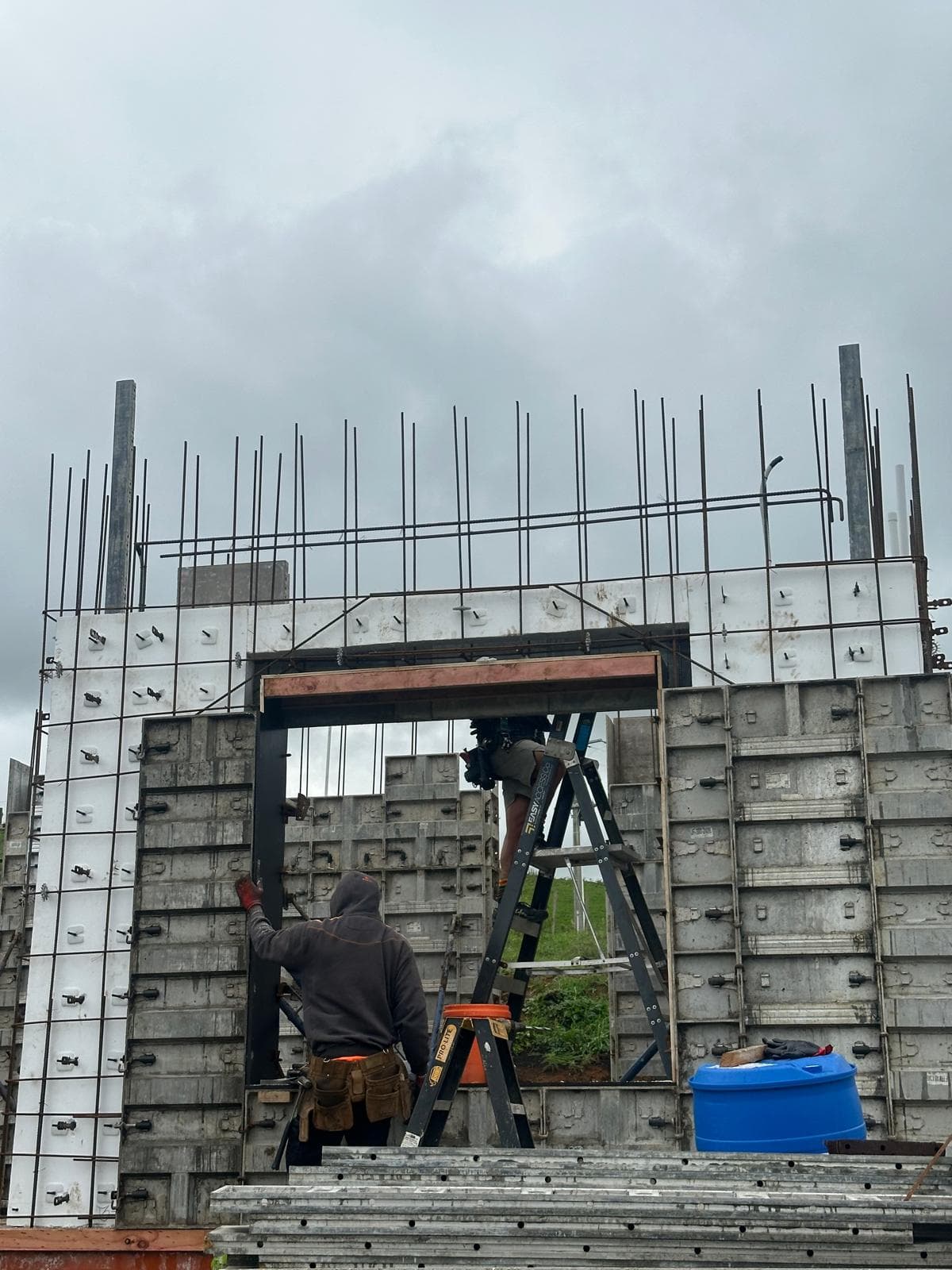
Permanent insulated formwork panels are positioned on the exterior face of the wall line. These high-density EPS or PIR panels serve as both the formwork during the pour and the thermal insulation for the life of the building. Internal formwork is temporary and removed after curing, leaving the concrete face exposed as interior thermal mass.
Steel Reinforcement
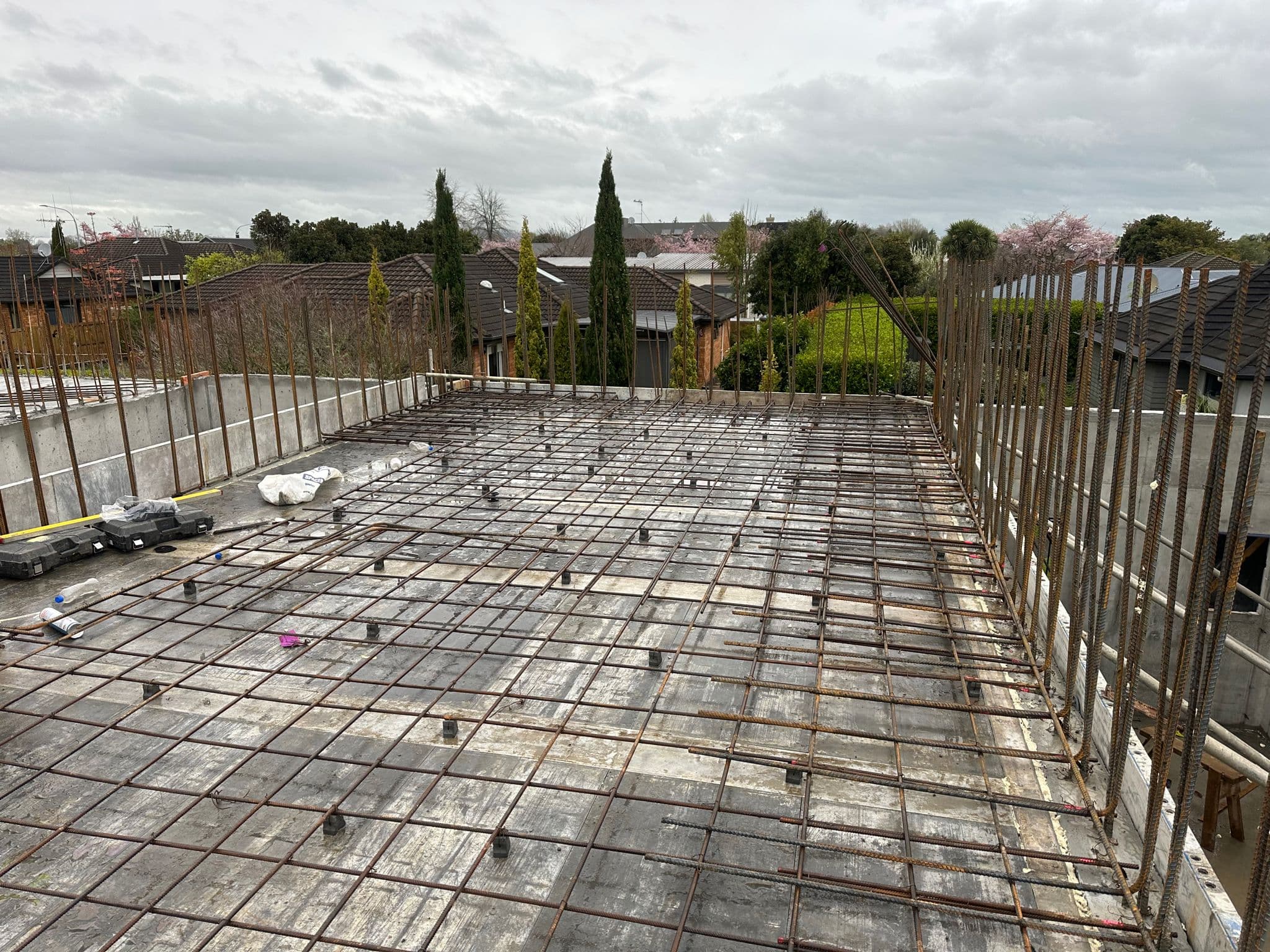
Steel reinforcing is placed within the wall cavity according to the structural engineer's specifications. Reinforcement is designed to NZS 3101 and tailored to the seismic zone, wind loading, and span requirements of each wall panel. All steel is inspected before the pour proceeds.
Services & Penetrations
Electrical conduits, plumbing penetrations, and any structural fixings are positioned within the wall cavity before the pour. Planning these in advance ensures clean integration of services without the need to chase concrete walls after the fact.
Concrete Pour
High-performance concrete is placed into the wall cavity in controlled lifts, vibrated to eliminate air pockets and ensure full consolidation around the reinforcing steel. We use pump-placed concrete for consistent quality and monitor slump, temperature, and placement rate throughout the pour.
Curing & Stripping
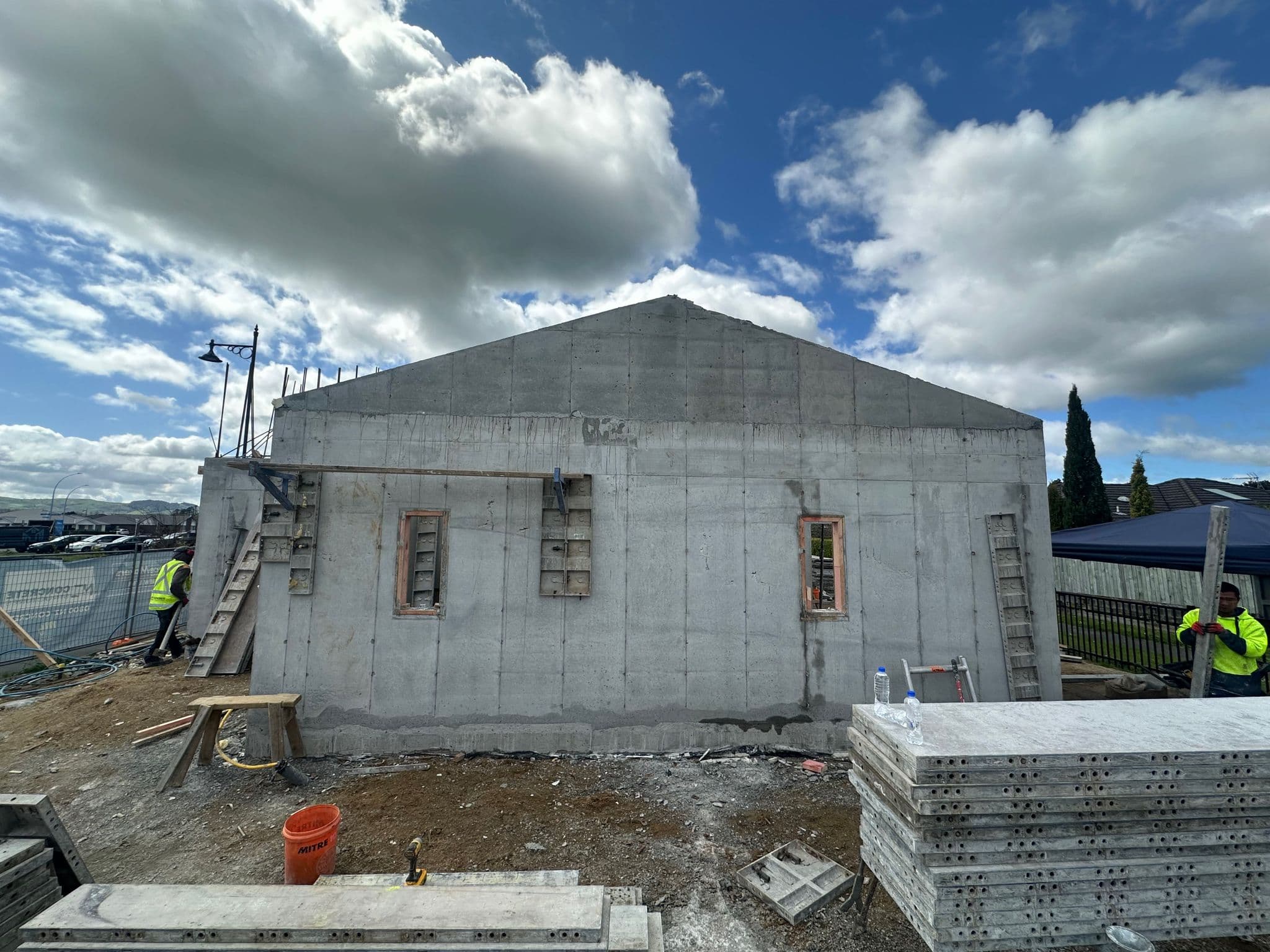
The concrete cures within the formwork for the specified period to reach design strength. Internal formwork is then carefully stripped, revealing the solid concrete wall face. The exterior insulation remains permanently bonded, ready for the chosen cladding or plaster finish system.
Finishing & Fitout
With the structural shell complete, interior finishing proceeds — plasterboard lining over the concrete walls where specified, painting, kitchen and bathroom fitout, and flooring. The exterior receives its weatherproof cladding system over the insulation layer, completing a fully insulated, structurally superior building envelope.
How Does This Compare to Timber Frame?
Timber-framed homes require separate structural framing, insulation, vapour barriers, bracing, and cladding — each installed by a different trade. ThermaCast integrates structure and insulation into a single pour, reducing the number of trades on site and the potential for moisture-related defects long-term.
Read the full comparison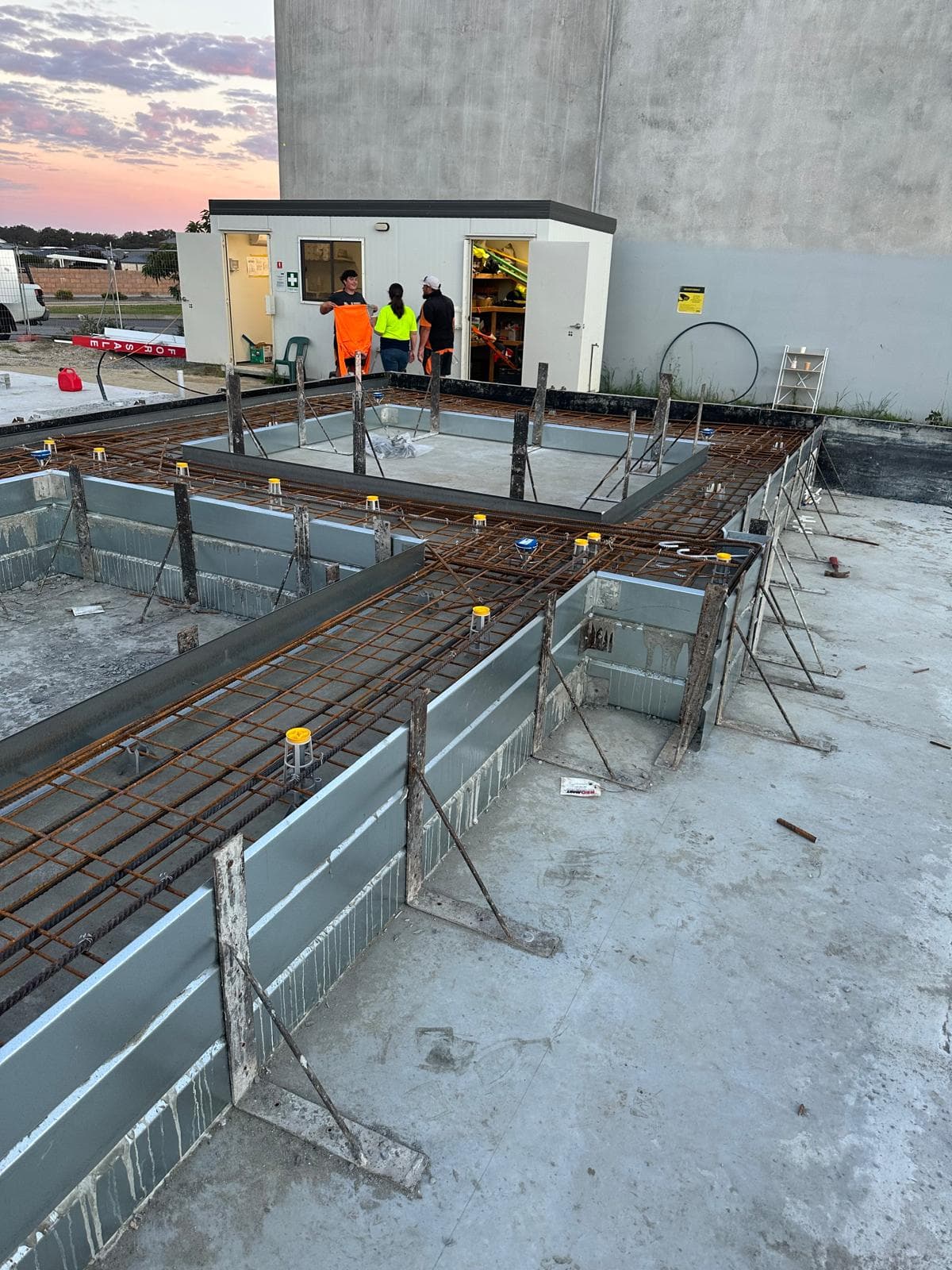
Want to See ThermaCast in Action?
Book a consultation and we will walk you through the process for your specific build, site, and budget.
Book a Consultation